Deep Stretch Film | High-Quality Load Protection & Stabilization
High-Strength Deep Stretch Film | Secure & Safe Packaging
فهرست مطالب
What is Deep Stretch Surface Protection Film?
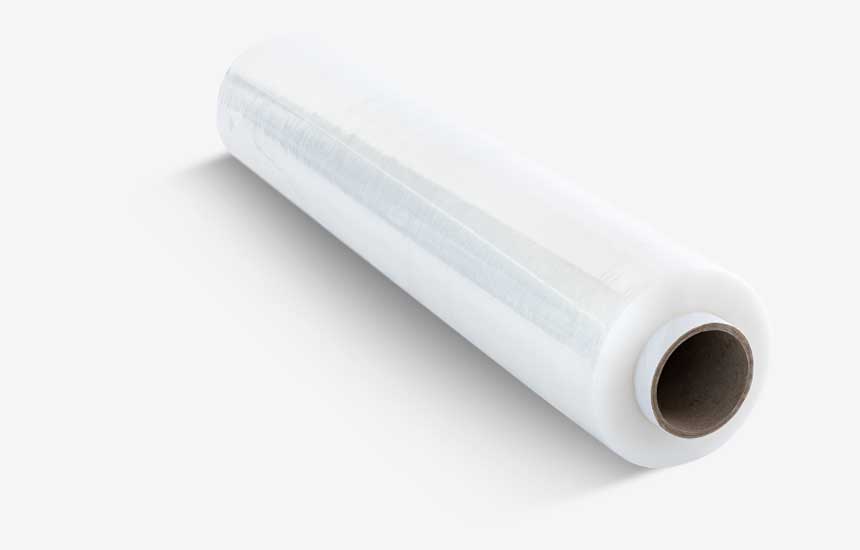
Deep Stretch Surface Protection Film is a specialized plastic designed to protect various product surfaces during transportation and storage. Thanks to its high elasticity, the film easily adheres to the product surface, preventing scratches, dust, and impacts. Using this film helps extend the product’s lifespan and maintain its quality throughout the supply chain.
Typically made from high-density polyethylene (HDPE), deep stretch film comes in various thicknesses to meet different needs. This makes it suitable for heavy and delicate products, ensuring the safety of goods even under challenging conditions. Additionally, its high flexibility allows for quick and easy application, reducing labor requirements during packaging.
Overall, deep stretch surface protection film offers an economical and efficient solution for various industries. It plays a key role in reducing waste, protecting products, and optimizing packaging. This type of film is especially valuable for exports and long-distance transportation, ensuring that products reach their destination in perfect condition and with their original quality intact.
Advantages and Applications of Deep Stretch Surface Protection Film
Difference from Standard Protective Films
Deep stretch surface protection film is significantly different from standard protective films in terms of elasticity and flexibility. It can fully cover various surfaces without creating wrinkles or cracks, providing superior protection. This makes it an ideal choice for sensitive and complex surfaces.
While standard protective films have limited flexibility and may not adhere well to corners or uneven surfaces, deep stretch film overcomes these limitations. This feature ensures that products sustain less damage during transportation and storage, preserving their final appearance.
Additionally, deep stretch film offers higher resistance to tearing and pressure, whereas standard films may be damaged when exposed to hard objects or heavy loads. These advantages increase the economic and functional value of deep stretch film in industrial and export environments.
Importance of Deep Stretch Surface Protection Film in Various Industries
Deep stretch surface protection film plays a vital role in maintaining the quality and appearance of products across various industries. By preventing scratches, impacts, and contamination, it ensures that products remain intact throughout production, transportation, and storage.
In industries such as automotive, metalworking, and home appliances, protecting delicate surfaces and fine finishes is crucial. Using deep stretch film reduces the risk of product damage, leading to higher customer satisfaction and lower costs associated with repair or replacement.
Furthermore, in export and long-distance transportation, this film ensures that products remain safe even under harsh environmental conditions and frequent handling. Its importance in modern, competitive industries makes the use of deep stretch film both an economic and practical necessity.
Features and Benefits of Deep Stretch Surface Protection Film
High Resistance to Pressure and Stretching
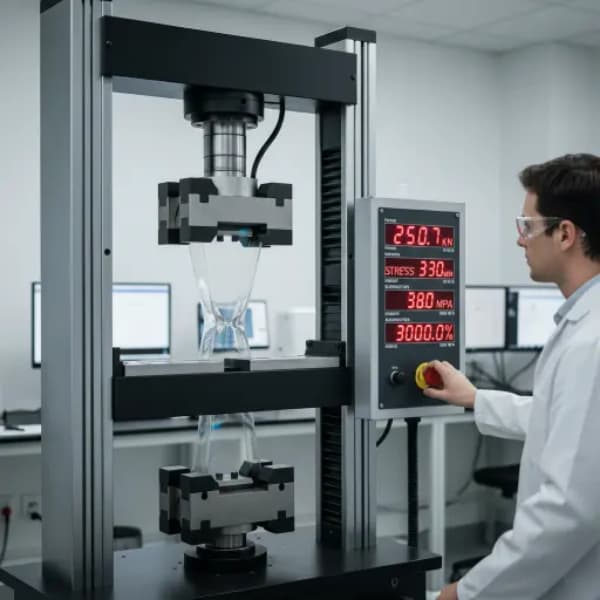
Deep stretch surface protection film is designed to offer high resistance to pressure and stretching. This ensures that product surfaces remain undamaged during handling or packaging. Its strong tensile strength also prevents sudden tearing, guaranteeing product safety.
This durability allows even large or sensitive surfaces, such as car bodies or heavy home appliances, to be protected throughout production and transportation. Pressure from storage or palletizing does not compromise the film’s coverage, keeping high-value products safe under various environmental conditions.
Moreover, the film’s deep stretch capability allows it to conform to surfaces of different shapes and sizes. Its high flexibility enables complete coverage while reducing the need for additional materials. For these reasons, deep stretch film is an ideal choice for industrial production lines and export packaging.
Prevents Scratches and Surface Damage
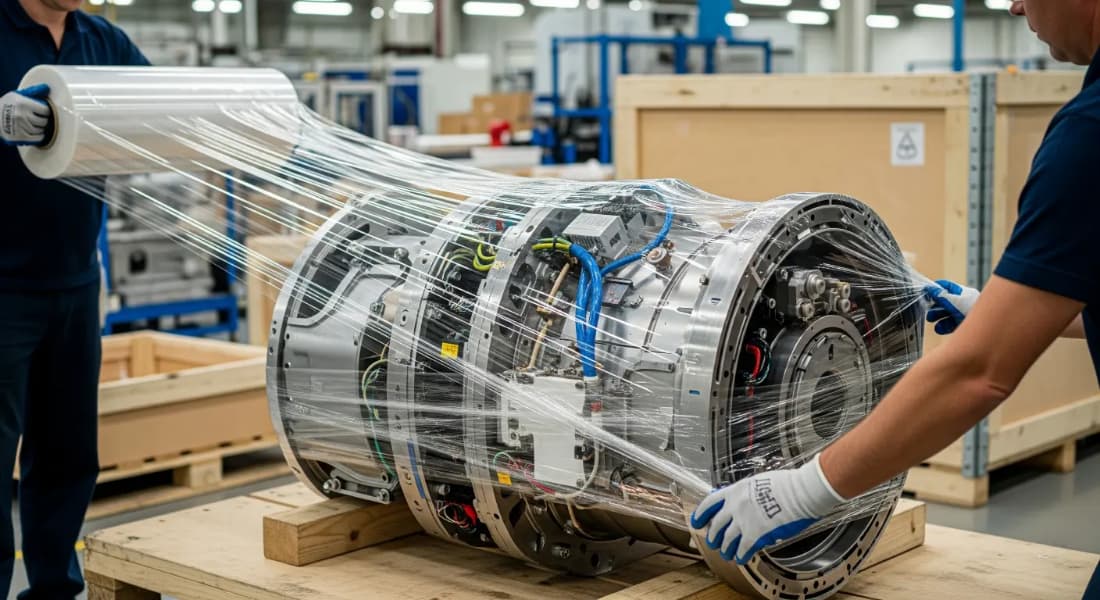
Deep stretch surface protection film, with its specialized structure, prevents scratches and keeps product surfaces safe during transportation and storage. This feature is especially important for sensitive and high-value items such as metal parts, car bodies, and home appliances. Surface protection helps maintain the final appearance and quality of products in the market.
Thanks to its flexibility and uniform stretch, the film prevents direct contact with tools, hands, or other surfaces, reducing potential damage from repeated handling. This makes it widely used in industrial production lines and export packaging.
Moreover, preventing scratches not only preserves aesthetics but also reduces costs associated with repairing or replacing damaged products. By using deep stretch surface protection film, businesses can ensure product quality and increase customer satisfaction.
Easy Removal Without Residue
One of the standout features of deep stretch surface protection film is its ability to be removed from the product surface without leaving adhesive or unwanted marks. This is especially important for products that must maintain a flawless appearance after packaging, such as car bodies or home appliances. Easy removal saves time and reduces the risk of surface damage.
The film’s special formulation ensures that no extra adhesive remains on the surface after removal, preserving the product’s quality and aesthetics. This makes it ideal for final production stages, packaging, and export.
Using a film with easy removal capability also helps reduce cleaning and repair costs, simplifying the process of preparing products for customers or the end market. In industries where appearance and product quality are critical, this feature is a key factor in selecting protective film.
Types of Deep Stretch Surface Protection Film
Polyethylene (PE) Films
Polyethylene (PE) films, known for their high flexibility and excellent tensile strength, are among the main options for protecting smooth and sensitive surfaces. These films can fully cover products, preventing scratches, dust, and surface damage. Their use in industries such as automotive, home appliances, and metalworking enhances packaging quality and reduces product damage.
Another key feature of PE films is their ability to stretch and conform to various surfaces without requiring additional tools or equipment. This flexibility ensures effective protection even for irregularly shaped surfaces, preventing slippage or movement of the product. In addition, polyethylene films are lightweight, helping to reduce transportation and storage costs.
PE films are also resistant to environmental conditions such as humidity and temperature changes, performing reliably in warehouses and export environments. Their durability minimizes the need for frequent replacement, saving time and materials. As a result, polyethylene films offer a combination of reliable protection, cost efficiency, and high performance.
Polypropylene (PP) Films
Polypropylene (PP) films offer superior resistance to heat, abrasion, and mechanical stress, making them ideal for packaging heavy goods and long-distance transportation. These films can easily stretch over large or irregular surfaces, providing a secure and uniform fit. The use of PP films minimizes the risk of product damage and quality loss during shipment.
Another key advantage of PP films is their long lifespan and stable performance under harsh conditions. They can be used in warehouses and export containers without losing their quality or protective strength. This durability reduces maintenance and replacement costs while improving packaging line efficiency.
PP films are also compatible with both automatic and semi-automatic packaging equipment, enhancing production speed and reducing labor requirements. This makes them especially valuable for large-scale industries and manufacturing lines. In short, polypropylene films deliver a combination of strength, flexibility, and high performance — a reliable solution for modern packaging and surface protection needs.
Special Adhesive-Coated Films
This type of film features a special adhesive layer that adheres to the surface without causing damage or leaving any permanent residue, ensuring product packaging remains stable. The adhesive coating prevents slipping, shifting, or collision of packages during transportation and storage. For this reason, it is highly recommended for export industries and delicate goods.
Adhesive films can be easily removed without leaving any marks on the surface. This feature is particularly important for protecting luxury or sensitive products such as metal parts and car bodies. Additionally, the use of these films helps reduce waste and maintain the product’s appearance.
Another advantage of these films is their ability to be used in multiple layers or combined with other types of films to provide optimal protection for packages. This combination increases product stability and safety during long-distance transportation and under various environmental conditions. Furthermore, using special adhesive films helps reduce additional costs and improves the efficiency of packaging lines.
Key Considerations in Choosing Deep Stretch Surface Protection Film
Thickness and Material Quality
Selecting a film with the right thickness and high-quality materials is one of the most important factors in effective surface protection. Thicker films offer greater resistance to stretching, impact, and pressure, preventing damage to delicate products. Using high-quality materials ensures longer durability and reduces the need for frequent replacement.
High-quality films also provide resistance to heat, moisture, and UV rays, delivering reliable performance under various environmental conditions — a crucial factor for export industries and sensitive goods. Moreover, superior material quality helps prevent issues such as wrinkling, marking, or residue on the surface.
Choosing a film with proper thickness and material quality not only guarantees product safety but also saves time and reduces additional costs. In addition, it enhances customer satisfaction and strengthens brand reputation in the market.
Compatibility with the Target Surface
The protective film must be fully compatible with the type and material of the surface it is applied to. Metal, glass, or plastic surfaces require a film that provides sufficient adhesion without causing damage. This compatibility ensures that packaging remains secure during transportation and reduces the risk of scratches.
Compatible films are also easy to remove and leave no residue on the surface. This feature is particularly important for luxury and sensitive products. Additionally, surface compatibility allows for faster and safer packaging processes, requiring less labor.
When selecting a film, the shape of the surface and product sensitivity should also be considered. Products with irregular surfaces or intricate details need films with high flexibility and controlled adhesion. These features enhance efficiency and reduce waste.
Durability and Resistance in Various Conditions
The protective film must be able to withstand various environmental conditions, including high and low temperatures, humidity, and direct sunlight. This resistance ensures that the product surface remains undamaged during transportation and storage. Using a durable film enhances product safety and packaging longevity.
High film durability also reduces the frequency of replacements and saves on additional costs. Durable films can protect products over extended periods and provide consistent performance even in warehouses and export environments. Furthermore, resistance to different conditions ensures peace of mind for long-distance transportation and protects company investments.
Choosing a film with high durability is especially important for sensitive and export-oriented industries. These films must withstand pressure, stretching, and contact with other packages while keeping the product surface intact. Using a resilient film improves efficiency and minimizes potential damage.
Easy Removal and Recyclability
The protective film should allow for easy removal without leaving any residue on the surface. This feature is particularly important for delicate products or those visible to customers. Easy film removal reduces the time required for packaging and product preparation.
Additionally, the recyclability of the protective film helps reduce plastic waste and environmental impact. Recyclable films can be reused or returned to the production cycle, which is highly valuable for advanced and responsible companies. Using recyclable films also supports the company’s brand image and environmental commitment.
Films that offer both easy removal and recyclability provide a combination of convenience, product protection, and environmental sustainability. These features make choosing deep stretch surface protection film both economical and practical for businesses.
Frequently Asked Questions (FAQ) About Deep Stretch Films
What is the lifespan of this film?
The lifespan of deep stretch surface protection film depends on the type of raw materials, thickness, and storage conditions. High-quality films can typically protect products for several months to several years while maintaining their performance. Using durable film extends packaging life and reduces the need for frequent replacement.
High film durability also lowers additional costs and saves time. This feature is particularly important for long-distance transportation, export, and storage. Moreover, long-lasting films provide peace of mind when protecting sensitive and high-value products.
Choosing the right film with adequate lifespan helps safeguard company investments and preserves product quality until final use. This is especially critical in industries such as automotive, home appliances, and metalworking, where precise protection is required.
Does it leave any residue after removal?
Deep stretch surface protection films are specially designed for easy removal and typically leave no residue on the surface. This feature is particularly important for delicate products or those on display. Using a residue-free film helps preserve the product’s appearance and reduces potential damage.
This easy-removal capability also speeds up and secures the packaging process. Less labor is required for cleaning or surface correction, improving packaging line efficiency. Additionally, it prevents accidental damage to the surface during film removal.
Residue-free films are especially suitable for luxury, export, and products sensitive to light or pressure. This ensures that end customers receive flawless, intact products, enhancing their satisfaction.
Is it recyclable?
Many deep stretch surface protection films are made from recyclable plastics, allowing them to be returned to the production cycle or reused. This feature helps reduce plastic waste and environmental impact. Using recyclable films is especially valuable for companies that prioritize social responsibility and environmental sustainability.
Recycling protective films also conserves raw materials and lowers waste disposal costs. Additionally, it enhances brand image and ensures compliance with environmental standards. Export and manufacturing industries can achieve a more sustainable and cost-effective packaging process by choosing recyclable films.
Recyclable films provide a combination of efficiency, product protection, and environmental responsibility while maintaining quality. This allows businesses to achieve both economic productivity and respect for the environment.
What is the difference between standard protective film and deep stretch film?
Deep stretch protective films outperform standard films in terms of flexibility, strength, and adhesion. They can easily conform to various surfaces, preventing wrinkles, creases, or damage. This ensures complete surface protection and enhances safety during transportation.
Standard films may lack sufficient resistance to stretching, pressure, or impact, and may not fully protect the product surface. In contrast, deep stretch films, with appropriate thickness and adhesion, provide reliable protection under harsh industrial and export conditions.
Additionally, deep stretch films can be easily removed without leaving residue or adhesive and are recyclable. This combination of advantages makes deep stretch films the preferred choice for sensitive, luxury, and export-oriented industries, maximizing product performance and safety.